LXXI–LXXX
CONVERSA LXXII | A Década | 28–05–2014
Cristina Reis
O Social, sem romantismos
The Social, with no romanticism
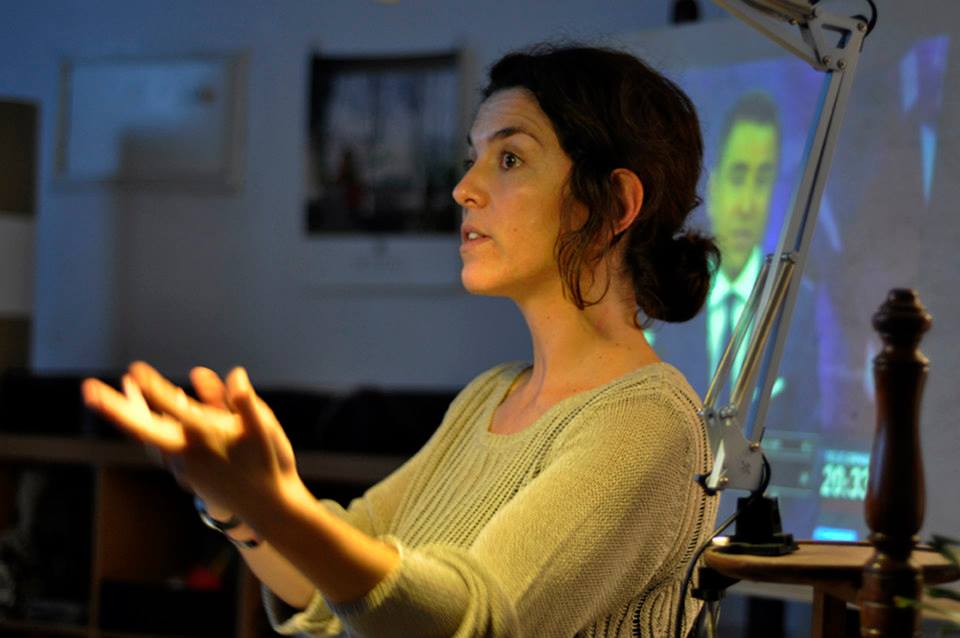
Acreditou sempre numa definição alternativa de carreira, com elevado sentido de compromisso. Começa pelo 2º setor e, depois de umas quantas viragens, decide atirar-se ao 3º. Comunicar ideias, criar redes e desenvolver projetos que impliquem partilha são o que a move. Na Associação CAIS, coordena as relações institucionais e o projeto Repórteres de Rua.
She always believed in an alternative career perspective, with a high sense of self commitment. With a beginning in the 2nd sector, after a few turning moments, she decides to dive into the 3rd sector. Communication, networking and the need to develop social projects are the strength she uses to proceed. In CAIS Association, she is in charge of the institutional coordination and of the Street draft reporters.
Conversa
Trabalhar numa instituição particular de solidariedade social tem muito que se lhe diga. Com uma abordagem sobre a complexidade das organizações sem fins lucrativos, também nas suas dinâmicas relacionais, Cristina Reis procurou distanciar-se do lugar que a visão externa habitualmente oferece, e apresentar as questões de quem vive este trabalho.
Working in a private institution of social solidarity has a lot to be said about. Cristina approach the theme through the complexity of an non-profit organization, taking in consideration the internal relational dynamics. She tried to hold off the externals views that are usually given in order to present the real issues that exist this kind of work
O Martim
Pop de rua, feito em casa
Street pop, home made
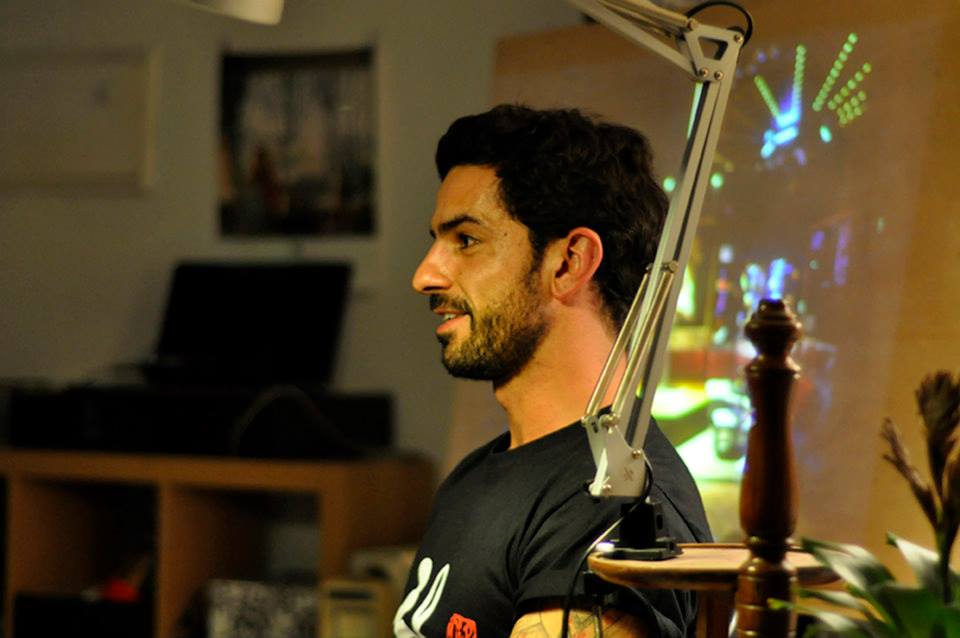
"O Martim" nasce como confessionário-pop de Martim Torres, um jovem (contra)baixista com cartas dadas em paragens como as de B Fachada, Homens da Luta, e diversos projetos de Jazz. Muitos o conhecerão também como uma das metades da infame dupla "Maria Amélia", presença habitual no programa 5 Para a Meia Noite. Munido com um computador portátil, uma caixa de ritmos, vários instrumentos e voz malandra, grava no seu estúdio caseiro as canções que aqui e ali vai escrevendo.
"O Martim" was born as a confessional box-pop of Martin Torres, a young bass player with given profs with names as B Fachada, Homens da Luta, and several other Jazz projects. His recognition comes as being one of the halves of the infamous duo "Maria Amélia", with a regular presence in the program "5 Para a Meia Noite". Equipped with a laptop, a drum machine, several vocal instruments and roguish voice, he records in his home studio the songs that he is writing now and then.
Conversa
O Martim sentou-se e falou, num português fluído e num inglês ainda mais fluído, de como gosta de fazer canções no seu estúdio caseiro. Falou de como o cais do sodré o inspira e de alguns dos seus ídolos. Conversou-se sobre aquilo que significa escrever canções, e teorizou-se sobre aquilo que faz uma boa canção. Porfim, o Martim despediu-se, e relembrou os seus novos amigos que podem continuar a seguir as suas aventuras e músicas novas em www.omartim.com.
O Martim sat and talked in a fluid Portuguese and in an even more fluid English about how does he like to make songs in his home studio. He told us about his idols and how Cais do Sodre inspires his work. It was a talk about the meaning of writing a song and theories were debated around the topic of what does make a good song. Before the end of the talk O Martim reminded his new friends that they can follow his adventures and new musics in www.omartim.com.
Teresa Casas-Novas
O apelido foi premonitório da vida que vive/tem vivido
My surname is a premonitory of the life/live
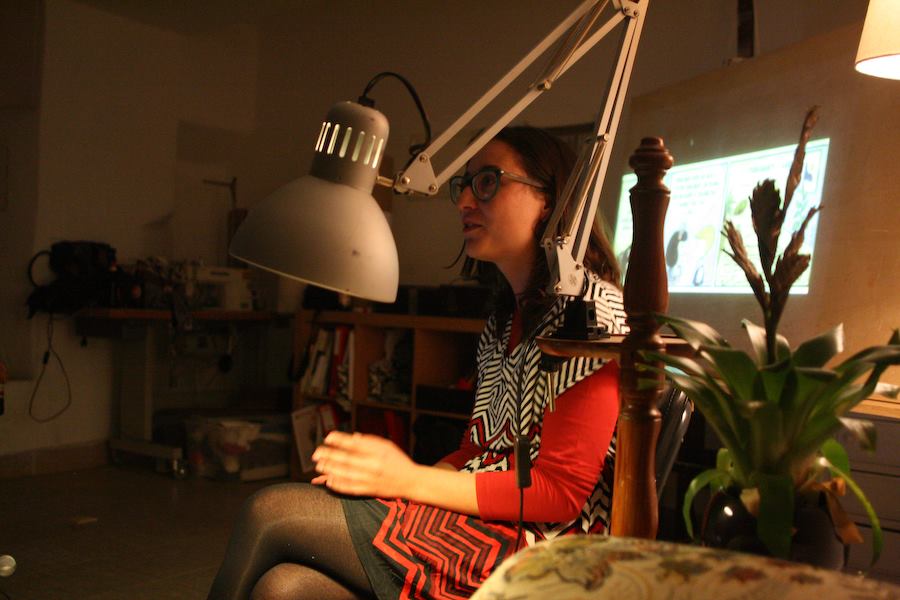
Nasceu em Évora em 1984, viveu no Porto 7 anos e voltou a Évora de onde partiu para o mundo. Primeiro Suécia, depois Alemanha, Moçambique e Senegal, com retornos a casa pelo meio. Licenciou-se em Tradução e apesar de atualmente trabalhar na área da Educação, quando um formulário lhe pede para preencher o campo "profissão", continua a escrever: "tradutora".
Teresa was born in Evora in 1984, moved to Porto during 7 years and returned to Évora just before her world travelling journey. Sweden was the first one, then Germany, Mozambique and Senegal, with the in between traditional homeland returns. She is graduated in Translation, even though she is currently working in Education, every time that she needs to fill in the "profession" field, she still writes: "translator".
Conversa
Há momentos "alicerce" e momentos "ponte" (pontes daquelas tipo Indiana Jones, frágeis e com crocodilos em baixo de boca aberta). Os momentos alicerce servem, entre outras coisas, para conversar sobre convicções e certezas. Nos momentos ponte pensa-se e fala-se mais sobre dúvidas e incertezas. Esta conversa surgiu num momento ponte e ameaçava ser como o próprio momento, enleada e confusa. Não foi, fluiu. Fluiu e viajou pelas várias casas-novas: geográficas, linguísticas, profissionais e acima de tudo humanas. Relembrou o privilégio que é podermos viver novas casas, assim como é revisitar, guardar e voltar a casas já conhecidas. Relembrou o prazer que é andar por cá a ouvir conversas e a conversar.
In life there are “bedrock” moments or “bridge” moments (bridges like in the Indiana Jones, fragile and with crocodiles with their mouths open). The bedrock moments are useful, among others, to talk about our convictions and certainties. During the bridge moments we talk and think about our doubts and uncertainties. This talk came in a bridge moment, and because of that, was threatened to become an entangled and confused conversation. However, it wasn’t, it flowed out. Flowed and traveled through the several new houses: geographical, linguistic, professional and above all human. She recalled the privilege of living in new houses, as well as, is to revisit and return to, already, known places. She recalled the pleasure of being here in Lisbon listening conversations and talk.