XI–XX
CONVERSA XVI | Rosa | 13–06–2012
Hugo Dunkel
Gostar de Jardins
Loving Gardens
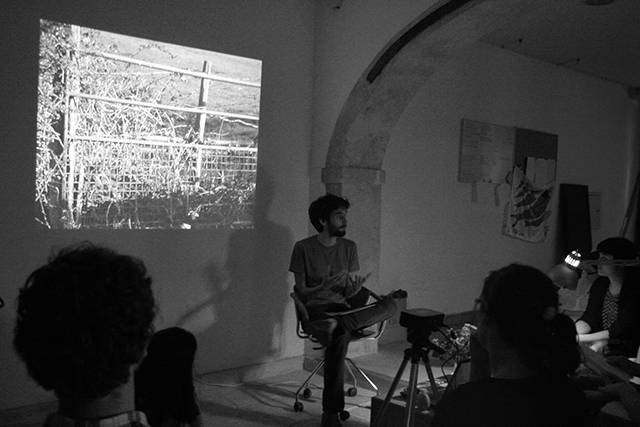
Nasceu no Hospital maternidade de Sta. Maria, no Porto, e pronto! É estranho, que podendo este ser um local chave na sua existência, acabou por nunca lá voltar. Isto repete-se muito na sua vida, locais que habita mas que não lhe pertencem. Já os Jardins têm outro encanto, uma existência sem justificação e sem necessidade de lógica. São pertença do seu eu mais profundo e só isso fá-lo feliz.
Was born at the Hospital Maternidade de Sta. Maria in Porto and that is it! It is strange to be from somewhere important in your life and to never return to it. This is frequent in his life. Places that don’t belong to him anymore. But gardens have another charm. An unjustified existence and without any logics associated. They belong to their most profound self and only that makes them happy.
Conversa
Havemos de descobrir se há alguém que não goste de jardins! Neles podemos encontrar a expressão máxima da natureza, desprovida de razão ou lógica, uma simples existência quase meditativa. O jardim é o berço de tudo aquilo que nos rodeia, transcende e é transversal a toda a expressão humana. Falar de jardins é como jardinar.
It isn’t easy to find someone that does not like gardens! In them we can find the maximum expression of nature, without reason or logic, just a simple existence almost as meditation. The garden is the cradle of all that surrounds us, transcendental and transversal to all human expression. To talk about gardens is like gardening.
Inês de Carvalho
Cenografia com o corpo todo
Scenography with the whole body
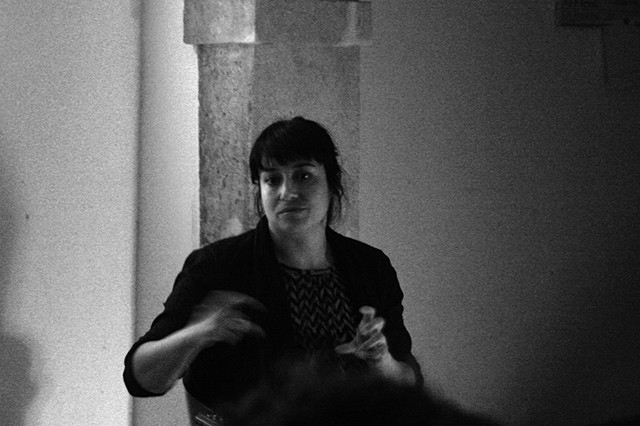
A Inês é cenógrafa. Interessa-lhe na cenografia = escrita visual da cena, pôr em causa os limites do território que essa definição abrange, encontrar os espaços permeáveis na fronteira. Interessa-lhe essencialmente a cenografia como escrita plural, partilhada, reinventada a cada encontro. E interessam-lhe particularmente os encontros que fazem pensar: o que é cenografia? O que é isto que faço?
Inês is a scenographer designer. She is interested in scenography=visual writing of the set by questioning the territory covered by the definition, to find the permeable spaces at the border. She is interested in scenography as plural writing, shared, reinvented in each encounter. She is particularly interested in the encounters that suggest some thinking: What is scenography? What is this that I do?
Conversa
Para as Conversas trouxe inquietações que lhe ocupam o pensar e o fazer, sobretudo no trabalho com o “Visões Úteis”, e que a definem enquanto pessoa que escreve espaços e imagens para a cena = todos os lugares ficcionados que se sobrepõem ao real. Como dar forma ao informe? Onde começa e acaba? Quem é ator / espetador / autor na cena? Falamos de cenografia como um corpo todo, ou já fora de si...?
For Conversas she brought questions that occupy her thinking and her “making”, especially in the work “Visões Úteis” that define her as a person that writes spaces and images of a scene=all the fictional spaces that are juxtaposed to the real. How to give form to the non-form? Where does it start and where does it end? Who is the actor/viewer/author of the scene? We talked about scenography as a whole body or out of itself…?
inesdecarvalho@hotmail.com
Tiago Sá da Costa
Corkmatters — design em cortiça e afins
Corkmatters — design in cork and other materials
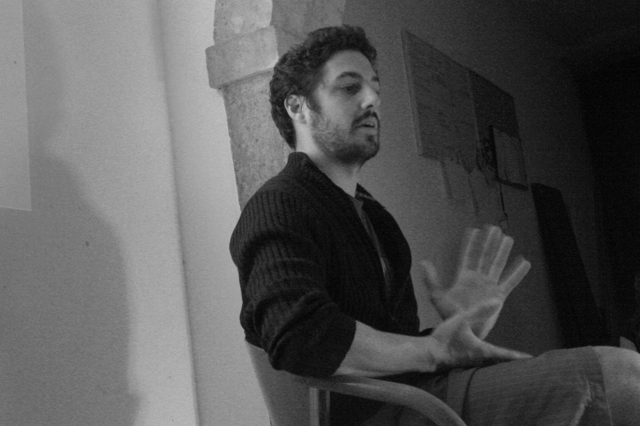
Licenciado em Design de Equipamento (FBAUL) em 2007. Foi para a Holanda em 2009 para estagiar com Maarten Baas onde ainda trabalha como freelancer. Em paralelo desenvolve os seus projetos. Com raízes bem marcadas, e sendo a cortiça o material de eleição, tem o objetivo de explorar este material de novas formas.
Holds a degree in Product Design (FBAUL) concluded in 2007. Moved to The Netherlands in 2009 for an internship at Maarten Baas Studio, where he still works as freelancer. In parallel he develops his own projects, with his roots very present, with cork as main material. The goal is to explore and work with cork in new forms.
Conversa
O projeto Corkmatters explora a cortiça de formas nunca antes exploradas. Um material ecológico que é usado desde o Império Romano e aqui apresentado com ideias diferentes de ser trabalhado e que sim é possível fazer verdadeiro design ecológico e ser fiel ao ambiente.
Foi feita uma apresentação sobre de onde a cortiça vem e onde pode chegar, explorando ao máximo as
suas propriedades físicas e estéticas.
The Corkmatters project explores cork in forms never explored before. An ecological material that is in use since the Roman Empire and presented here with different ideas and that it is possible to make true ecological design and be environmentally friendly.
The presentation that showed where does cork come from and where it can go, exploring to the limit its physical and aesthetic properties.
tiago.sadacosta@gmail.com